
A stadium tells you what it wants to be within a few minutes of walking it. Russ Chandler Stadium says two things at once: heritage on the outside, performance infrastructure underneath, and if you photograph only the game field, you miss the full story.
More Than a Ballpark The New Russ Chandler Stadium
Search russ chandler stadium atlanta ga and you'll find the usual fan-facing material. That's useful if you're buying tickets. It's not enough if you're producing architectural photography, a donor-facing campaign, or an editorial feature on college sports facilities.
The venue's current identity is more layered than most public descriptions suggest. Georgia Tech's own facility context makes that clear. The stadium now operates as a year-round facility that blends athletics with premium hospitality, and public-facing information around even basic specs such as capacity has been inconsistent, with figures ranging from 3,194 to 3,718 on different references, which is exactly why a current visual read matters for marketers and designers working from outdated assumptions (Georgia Tech facility page context).
That discrepancy matters in photography because clients rarely need “a baseball stadium.” They need a specific version of the venue. They need to know whether the assignment is about recruiting, alumni engagement, architectural documentation, sponsorship visibility, or premium guest experience. Those are different briefs, and the building now supports all of them.
Why the old approach falls short
A fan guide centers on sightlines, parking, and game-day atmosphere. A professional shoot needs a different hierarchy.
- Brand teams need images that show hospitality, circulation, and polish.
- Architects and contractors need a record of structure, material transitions, and how new work meets old conditions.
- Editorial clients need narrative tension, especially the contrast between historic identity and contemporary sports science.
- University stakeholders usually need all of that in one edited set.
Practical rule: If your shot list begins and ends with the infield, you're documenting baseball, not the property.
The most useful way to think about Russ Chandler today is as a mixed-purpose campus venue with a baseball program at its center. That shift changes how you scout it, when you light it, and what you prioritize in the final selects.
What professionals should look for
The strongest visual story here comes from contrast. You're not shooting a blank-slate modern stadium. You're shooting a facility that has to represent tradition, athlete development, donor experience, and Atlanta context in the same frame set.
That's why this location works for commercial and editorial photography. The assignment isn't only to make it look good. The assignment is to make it legible.
The Field of Play A Venue Overview
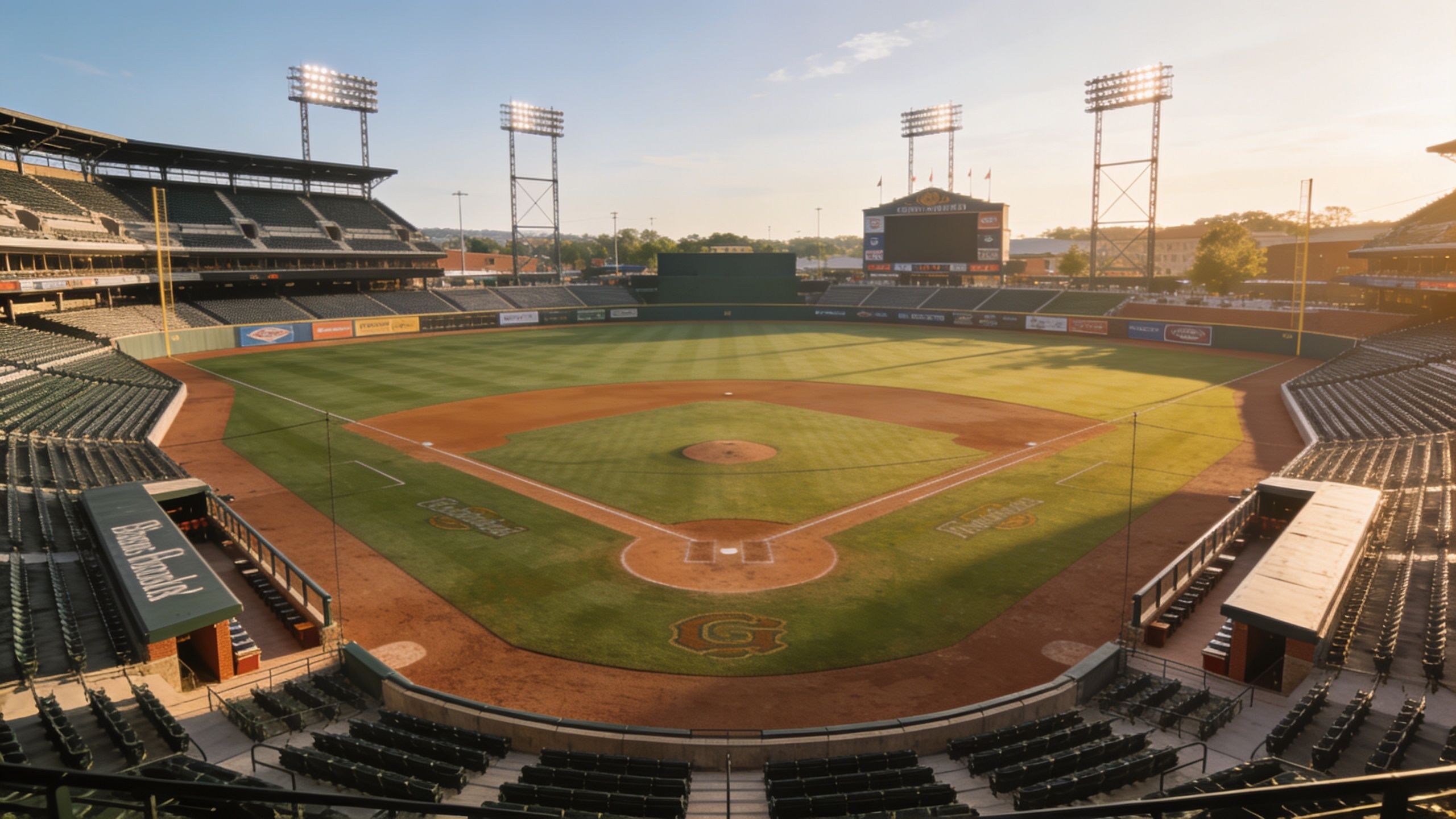
Russ Chandler Stadium sits within Georgia Tech's campus fabric and within the visual pressure of Midtown Atlanta. That matters. You're not working with an isolated suburban ballpark where the background disappears. The venue has an urban relationship, and that relationship can help or hurt your compositions depending on where you stand.
Its lineage goes back to 1930, when Georgia Tech built the original ballpark with funds tied to the school's 1929 Rose Bowl appearance, and the site was originally known as Rose Bowl Field. The venue was reshaped through major renovation points in 1985, 2002, and 2020, with the 2002 rebuild costing $9.7 million. The current field dimensions are 328 feet down the left-field line, 391 feet to left-center, 400 feet to center, 353 feet to right-center, and 334 feet down the right-field line (historical overview and dimensions from Midtown Alliance's Russ Chandler Stadium page).
The context that shapes the shoot
The asymmetrical outfield isn't just a baseball note. It affects visual balance. Long-lens field views won't feel perfectly mirrored from side to side, so a rigidly symmetrical composition strategy usually doesn't pay off here.
What works better is to treat the asymmetry as part of the venue's character. Lean into angle, depth, and diagonal geometry rather than forcing false visual order.
The baseline facts that matter on set
Here's the practical short version for production planning:
| Element | Why it matters to photographers |
|---|---|
| Historic origin | Supports editorial storytelling and institutional messaging |
| Multiple renovation eras | Creates opportunities to show old and new in one frame |
| Urban campus setting | Introduces skyline and context, not just sports imagery |
| Asymmetrical dimensions | Affects lens choice and composition strategy |
The best venue overview shots here don't flatten the place into a generic NCAA field. They show where the stadium sits, what era you're looking at, and how the geometry breaks from standard assumptions.
For commercial work, the overview set should establish three things quickly: the field, the building, and the city relationship. If one of those is missing, the package feels incomplete.
An Architectural Grand Slam Design Highlights
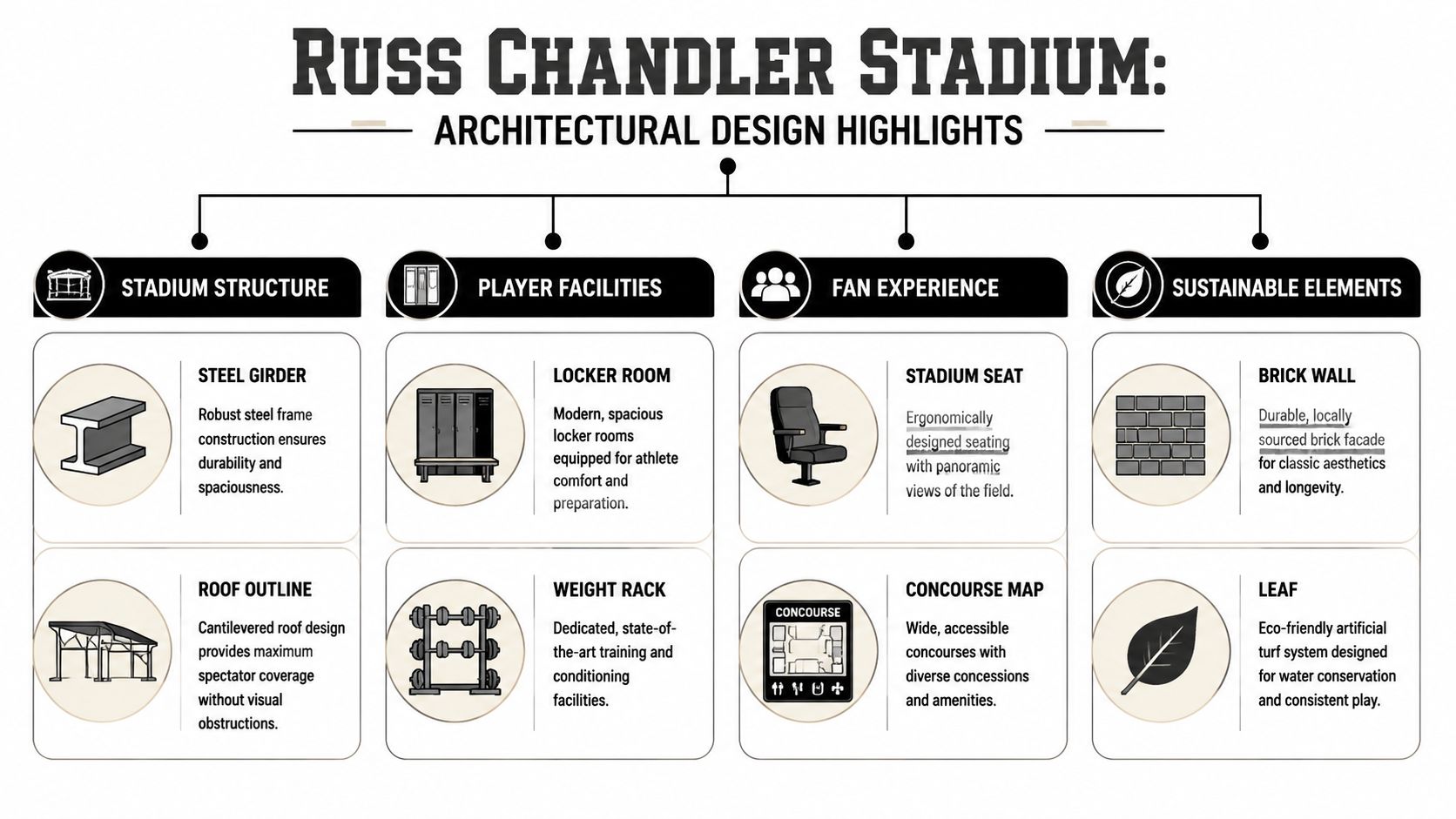
The most interesting part of Russ Chandler as a photographic subject is the 2020 renovation, not because it made the venue newer, but because it gave the building a more explicit architectural argument. The project used a hybrid structure of post-tensioned concrete and steel and added 25,000 square feet of new space. That system supports 1,100 chairback seats, creates dramatic cantilevers along the third-base side, and opens up cleaner sightlines in the two-story Heritage Hall, which also includes premium outdoor seating with Midtown skyline views (project details from Uzun+Case on the Georgia Tech Russ Chandler renovation).
That combination matters because each structural material photographs differently. Concrete gives you mass, shadow, and edge. Steel gives you line, rhythm, and cleaner visual spacing. When both are used well, the camera can separate hierarchy without much help from staging.
What the concrete does visually
Post-tensioned concrete often rewards side light more than flat frontal light. At Russ Chandler, the payoff is in the podium expression and the cantilever reading. If the light is too even, those forms lose authority and the whole sequence can feel more functional than intentional.
For architectural documentation, I'd prioritize:
- Third-base exterior angles that let the cantilever carry the frame
- Low camera positions that exaggerate the concrete's reach without distorting verticals too aggressively
- Tighter detail studies on joints, edges, and transitions where old infrastructure meets new work
What the steel does differently
The steel superstructure benefits from cleaner compositions. It doesn't need the same dramatic treatment as concrete. It reads best when the frame is disciplined and clutter is reduced.
Heritage Hall is especially useful because it's not just a premium room. It's a visual hinge between stadium interior and city backdrop. That makes it valuable for both architecture and brand imagery.
Field note: Premium spaces only photograph as premium if the composition protects negative space. Too many chairs, signs, or loose items in frame will cheapen the room fast.
Why this renovation photographs well
A lot of renovated athletic facilities feel visually fragmented. The new spaces look polished, but they don't connect to the original building fabric. Russ Chandler has a more productive tension. The structure had to integrate utilities and existing older conditions, and that friction is part of the visual appeal.
The building gives you several parallel stories:
- Institutional continuity, because the venue still carries historical weight.
- Performance culture, because the support spaces are designed for athlete development.
- Hospitality positioning, because premium areas are now part of the facility's identity.
- Urban presence, because skyline views matter in the overall read.
That's a rare combination. For photographers, it means a single assignment can produce deliverables for architects, athletics, development offices, and sponsors without feeling forced, as long as the shot list is built with those audiences in mind from the start.
Planning Your Shoot Production Logistics
Creative intent won't save a disorganized stadium shoot. On a campus venue, access windows, locked support spaces, and game or training conflicts can burn more time than lighting ever will.
Start by confirming who controls each zone. In practice, stadium assignments often involve more than one stakeholder. Athletics may control field access, facilities may control building access, and a communications team may control branding sensitivities. If premium spaces or player development areas are part of the brief, get written confirmation that those rooms will be open, clean, and camera-ready.
Access and sequencing
The most efficient production plans group the stadium by function instead of by geography. Don't bounce from exteriors to interiors to field details and back again.
A cleaner sequence usually looks like this:
- Exterior architecture first while light is directional and the venue is still visually quiet.
- Premium and public-facing interiors next before staff traffic builds.
- Training and support spaces after that, once escorts are available and rooms become available.
- Field-level finishing shots last, especially if you're waiting on a specific sky condition.
That approach reduces reset time and limits the amount of gear movement through occupied circulation paths.
What to confirm before call time
Use a preproduction checklist designed for active sports facilities. A general site checklist helps, but this kind of location needs a little more rigor. This guide on how to prepare a site for a photoshoot is a useful baseline for stakeholder prep, cleaning, staging, and access coordination.
At minimum, confirm these items:
- Gate and elevator access so carts and cases aren't hand-carried through spectator routes
- Loading path for stands, rollers, and larger cases
- Power availability in hospitality and training zones
- House lighting control if you need partial shutoff or fixture balancing
- Brand cleanup including temporary signs, loose equipment, and trash receptacles
- Scheduling conflicts with practice, maintenance, or event setup
If a university client says a room is “available,” ask whether it's also cleaned, unlocked, lit, and free of storage overflow. Those are different conditions.
Production trade-offs that matter here
A fully styled shoot can make the venue look polished, but over-staging can strip away authenticity. Athletic spaces need some evidence of use. The trick is to remove distraction, not character.
I'd rather spend extra time relocating bins, cords, and spare equipment than filling the frame with lifestyle talent that isn't helping the brief. At Russ Chandler, the architecture and infrastructure already carry the story. Production should support that, not compete with it.
The Photographer's Playbook Shot List and Lighting
The right way to shoot russ chandler stadium atlanta ga is to treat it as a layered assignment, not a single hero image hunt. You need a package that can serve architecture, editorial, and brand uses at the same time.
Start with one exterior frame that clearly announces the venue and its material identity. Then build outward into a sequence that explains how the stadium works.
Exterior priorities
My first pass would include these views:
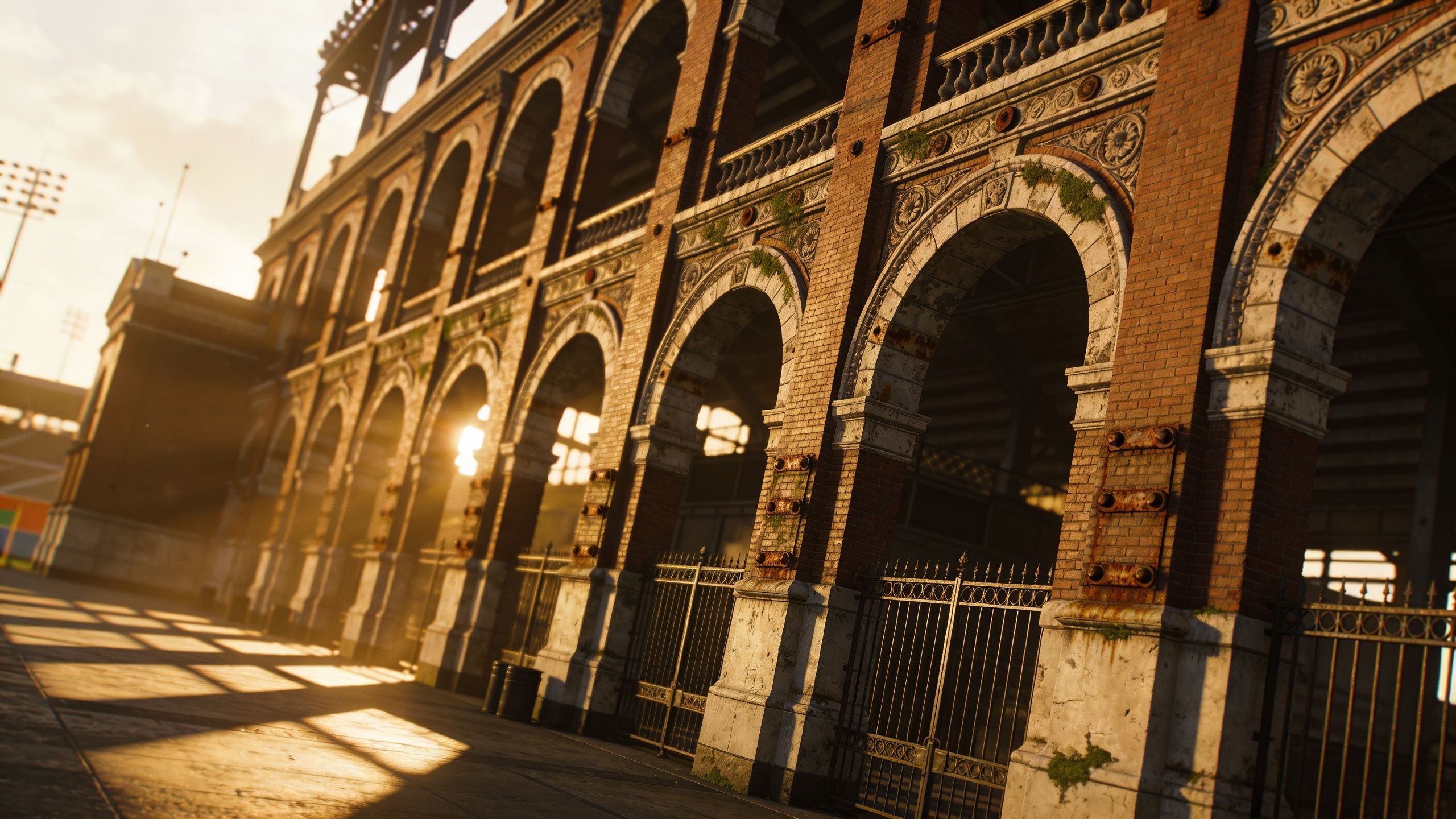
- Arrival wide showing the stadium as a campus object rather than an isolated sports venue
- Third-base architectural angle for concrete expression and overhang drama
- Premium terrace or upper-level hospitality perspective with skyline relationship visible
- Clean field overview from seating height, not just from dead center
- Detail frames of material transitions, signage, seating rhythm, and circulation moments
If the weather is cooperative, twilight is worth the extra setup. The venue can hold both architectural lighting and urban background in a way that daytime frames can't.
Field and bowl strategy
A common mistake is to overcommit to centerline shots. They're necessary, but they're rarely the strongest images in the edit. This stadium benefits from oblique views that reveal the asymmetry and depth.
What usually works better:
| Shot type | Why it earns a place |
|---|---|
| Off-axis bowl views | Show seating geometry and architectural character |
| Low field-level angles | Add scale and make structural elements feel more substantial |
| Compressed long-lens frames | Pull skyline and upper structure closer together |
| Mid-range contextual shots | Useful for editorial layouts and marketing spreads |
The more nuanced your edit, the more valuable the assignment becomes.
Interior lighting and technical control
The renovated player development spaces need a different mindset from the exteriors. Those rooms include three covered batting cages and a 3,000 square foot weight room, with integrated LED lighting and sensor systems throughout. That means exposure and color need to be managed carefully if you want the images to show both technical function and branded environmental graphics accurately (design details from Collins Cooper Carusi on the Russ Chandler Stadium project).
Mixed light is the challenge. LEDs can look clean to the eye and still fall apart across a room once you start balancing reflective surfaces, darker finishes, and illuminated displays.
For that reason, I'd recommend reviewing guidance on choosing the best light for a site shoot before finalizing call times and gear strategy.
Don't trust auto white balance in training spaces with branded graphics. Set a consistent color workflow and stay disciplined across the whole interior sequence.
A practical approach is to separate rooms into lighting families during capture. Don't chase perfect neutrality in every frame if the building's actual lighting design has intentional mood. Instead, make sure skin tones, wall graphics, and equipment finishes all stay believable and consistent within each area.
Here's a useful visual reference before you build your final sequence.
The shot list I'd actually deliver
For a full assignment, I'd want the final gallery to include:
- Establishing exteriors for publications and web banners
- Architectural feature images focused on structure, circulation, and hospitality
- Training facility interiors with enough width to explain function and enough detail to show investment
- Skyline-connected frames for development, sponsorship, and admissions use
- A restrained detail set that editors and designers can pair with broader hero images
What doesn't work here is a generic sports-media approach. Fast, punchy, game-style coverage won't capture the venue's design intelligence. This place rewards patience, tripod discipline, and a shot order that respects how the building reveals itself.
Sample Use Cases Visualizing the Potential
Different clients will use the same stadium for completely different visual outcomes. That's why a good assignment plan starts with narrative intent, not with a gear list.
Editorial feature on facility evolution
An editorial magazine story would lean into contrast. The frame set should pair historic cues with present-day performance infrastructure, showing how a long-standing college venue now functions as a contemporary athletic environment.
I'd build that story around transitions. Exterior architecture establishes legacy. Interior training spaces bring in the present. The final edit would avoid cheerleading and instead emphasize institutional evolution with a calm, reportorial eye.
A strong editorial stadium story doesn't just ask, “What does it look like?” It asks, “What changed, and where can the camera prove it?”
Sponsor campaign in premium space
A brand partner doesn't need a documentary set. It needs controlled, polished imagery that associates the sponsor with access, atmosphere, and relevance. Heritage Hall and adjacent premium viewpoints are useful because they can hold both hospitality cues and the Atlanta backdrop without feeling like a generic event suite.
That assignment would benefit from a cleaner, more commercial visual language. Fewer wide overviews. More selective framing. More attention to surfaces, seating, and skyline alignment.
For teams comparing Atlanta venues that can support polished business-facing content, a nearby reference point is Cobb Galleria in Atlanta GA, which solves a different problem but serves a similar need for flexible commercial imagery.
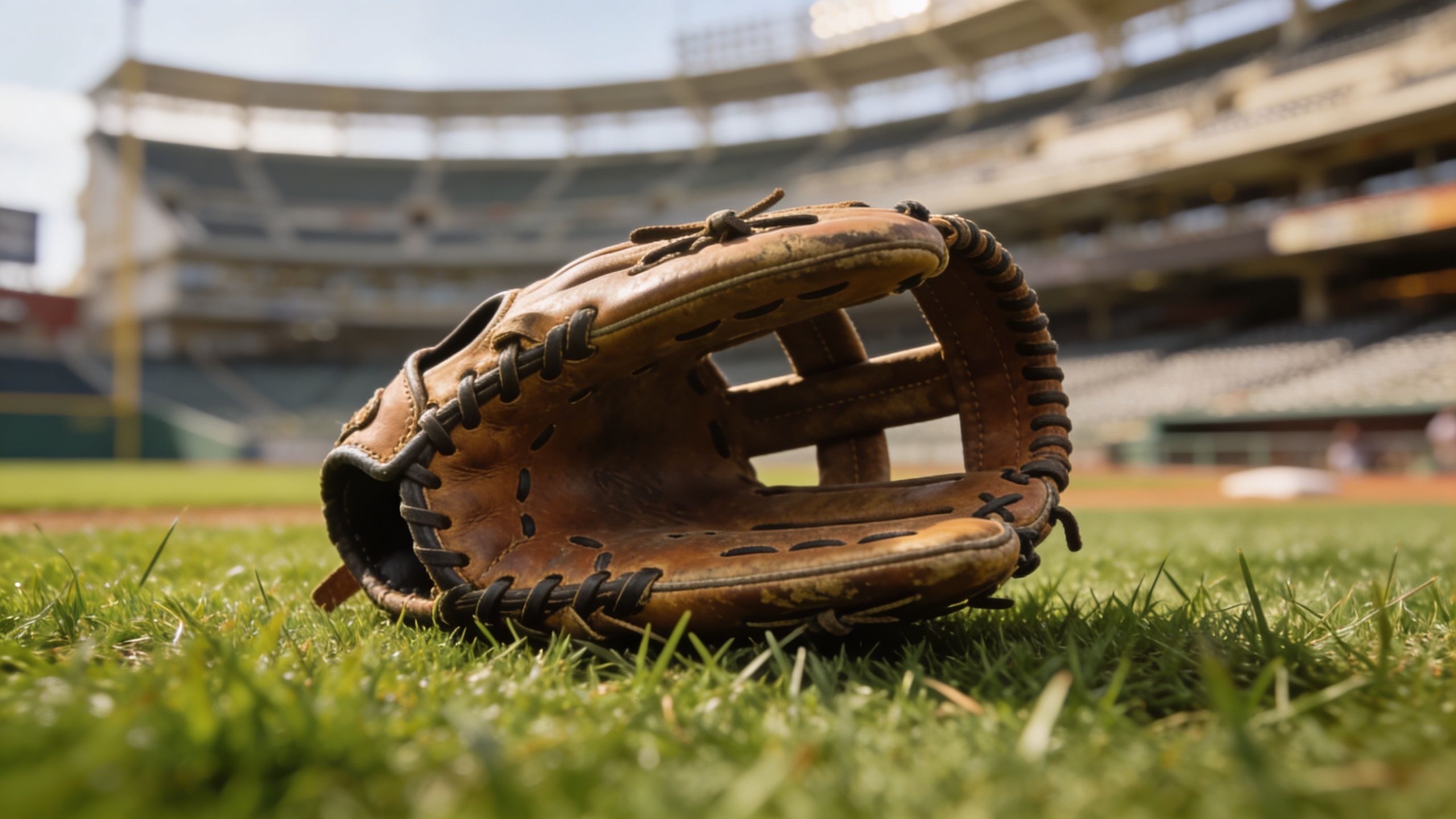
Team portrait session with architectural weight
Athlete portraiture here shouldn't default to dugout shots and shallow-depth closeups unless the brief is strictly recruiting. The stronger option is to use the architecture as part of the subject's identity.
Good portrait setups would use:
- Concrete overhangs and structural lines for authority
- Seating rhythm for repetition and scale
- Training spaces for a performance-driven tone
- Field edge or warning-track context when you need the sport represented without losing design value
A team portrait session in this environment works best when the building isn't reduced to background blur. Let the structure carry shape and meaning. Even if the final delivery includes tighter portraits, begin with a few frames where the stadium clearly participates in the image.
Why these use cases matter
The same location can produce editorial nuance, sponsor polish, and athlete-focused portraiture without feeling visually repetitive. That versatility is a key asset. Russ Chandler isn't just photogenic. It's adaptable, and for commercial photographers, adaptable usually means more useful.
Capture Your Venue with Clarity and Intent
Russ Chandler works best when it's photographed as a complete environment. The field matters, but it's only one layer. The stronger story lives in the relationship between legacy, structure, performance spaces, premium hospitality, and city context.
That's why rushed coverage usually underdelivers here. A generic sports approach misses the architecture. A pure architecture approach can miss the athletic function. A polished result comes from understanding where those two priorities overlap and building a shot list that respects both.
For architects, contractors, and design teams, the venue offers meaningful structural and material contrast. For marketing groups, it offers skyline-backed hospitality, recognizable branding environments, and a campus setting with visual credibility. For editorial clients, it offers a narrative with real tension between history and modernization.
The assignment only works when the imagery is intentional. That means scouting for sightlines before call time, sequencing around access, controlling mixed light in interior training spaces, and editing with the end user in mind. The camera shouldn't just make the place look attractive. It should make the place understandable.
If you're evaluating russ chandler stadium atlanta ga as a potential shoot location, that's the standard worth holding. Document what the venue is now, not what public assumptions say it used to be.
If you need architectural, commercial, or editorial photography that treats a venue with that level of precision, Jimmy Clemmons Photographer brings an experienced Atlanta eye to built environments, branded spaces, and high-value visual storytelling.