
You open your company website to update the leadership page and the problem appears immediately. One executive has a polished studio portrait. Another is using a cropped conference snapshot. Someone else still has a five-year-old image with a different haircut, different glasses, and a very different version of the brand.
That mismatch does more than look untidy. It signals inconsistency before a client reads a word.
In Atlanta, that matters. This is a city where corporate, design, real estate, hospitality, and film all compete on presentation. A headshot is often the first point of contact, long before a meeting, proposal, or site visit. The right image does not just show what a person looks like. It tells people how to read the business behind the face.
An editorial approach changes the assignment. Instead of asking, “Did we get a decent photo?” the better question is, “Does this image communicate trust, judgment, and brand fit?” That is the difference between a standard portrait and a strategic one. It is also why professional headshots atlanta clients respond to tend to work best when they are built with the same discipline used in magazine portraiture: intention, clarity, and story.
Beyond the Standard Smile Why Your Brand Needs an Editorial Headshot
A marketing director once described the problem perfectly. The team page looked like it had been assembled over several years by several different people with several different standards. That is usually how it happens. No one sets out to create a chaotic visual identity. It accumulates.
The cost is subtle at first. Prospects see uneven lighting, inconsistent crops, forced smiles, and backgrounds that have nothing to do with the company. They do not say all of that out loud. They form an impression.
Your headshot is your first handshake
An editorial headshot starts from the idea that every visual choice carries meaning. A clean frame can suggest discipline. A warmer expression can suggest approachability. A controlled background can keep attention on the subject, while an environmental setting can place the person inside the world they work in.
That matters because digital first impressions are no longer optional. Profiles with high-quality images can receive up to 21 times more views on LinkedIn, and 92% of recruiters use LinkedIn for sourcing, according to this Atlanta headshot analysis. For companies, a polished and uniform team presence also supports trust and brand consistency.
Good enough usually looks forgettable
A standard smile against a neutral backdrop is not automatically wrong. It is wrong when it says nothing.
Editorial portraiture asks for a little more precision:
- What role does this person hold. A founder, architect, broker, designer, or department head should not all be photographed with the same visual language.
- Where will the image live. LinkedIn, a press kit, an investor deck, and a firm website all ask the photo to do slightly different work.
- What should the viewer feel. Confidence, warmth, authority, precision, creativity, steadiness.
A strong headshot does not try to impress with tricks. It reduces friction. The viewer understands the person quickly and trusts what they see.
That is where the editorial lens earns its keep. It does not chase novelty. It builds coherence between the person, the brand, and the audience.
The Language of a Headshot Corporate vs Creative Styles
Not every headshot should speak in the same tone. Some need to feel steady and credible. Others need more character and atmosphere. The mistake is treating style like decoration instead of communication.
Corporate style for trust and authority
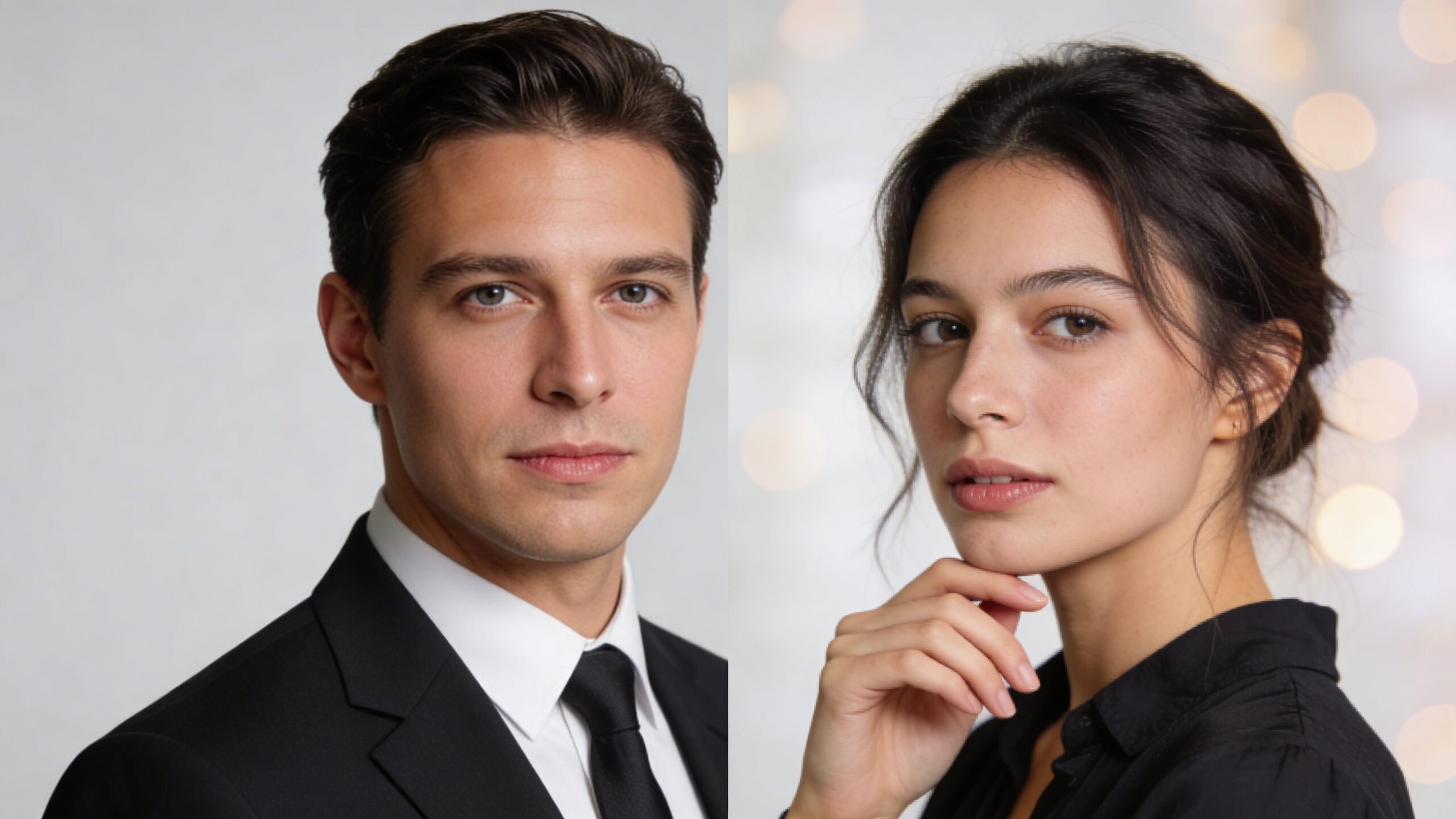
Corporate headshots usually benefit from restraint. The frame is simpler. The posing is cleaner. The lighting is deliberate, often built to define the face without adding drama that disturbs the role.
For executives, architects, developers, attorneys, and corporate teams, the goal is rarely “interesting.” It is usually credible, capable, and approachable.
A few visual choices support that:
- Controlled backgrounds keep the eye on the subject and reduce clutter.
- Rembrandt-style lighting can add shape and dimension without making the portrait feel theatrical.
- Consistent framing across a team helps the group read as one brand instead of a collection of individuals.
This style works best when the company wants to project stability. It is the visual equivalent of a well-designed lobby. Nothing fights for attention, and that calm reads as confidence.
Creative style for personality and vision
Creative headshots are less rigid. They still need precision, but they allow more interpretation. A designer, creative director, hospitality brand lead, or founder may benefit from a portrait with more environment, mood, or asymmetry.
That does not mean turning the session into a fashion editorial. It means using visual choices that hint at point of view.
Creative portraits often lean on:
- Environmental context such as an office, studio, or architectural setting
- More directional light to create depth and mood
- Expressions with less performative smiling and more natural presence
- Composition that leaves room for story
Choosing the right visual language
The easiest way to decide is to ask what your clients need to believe before they hire you.
| Style | Best for | What it communicates | What can go wrong |
|---|---|---|---|
| Corporate | Executives, real estate teams, architects, legal, finance | Trust, polish, authority | Too stiff, generic, lifeless |
| Creative | Designers, brand leads, founders, editorial voices | Vision, originality, personality | Too casual, too stylized, off-brand |
A strong Atlanta headshot session should be able to move between these modes. The technical setup changes, but the principle stays the same. Style should support the message, not compete with the message.
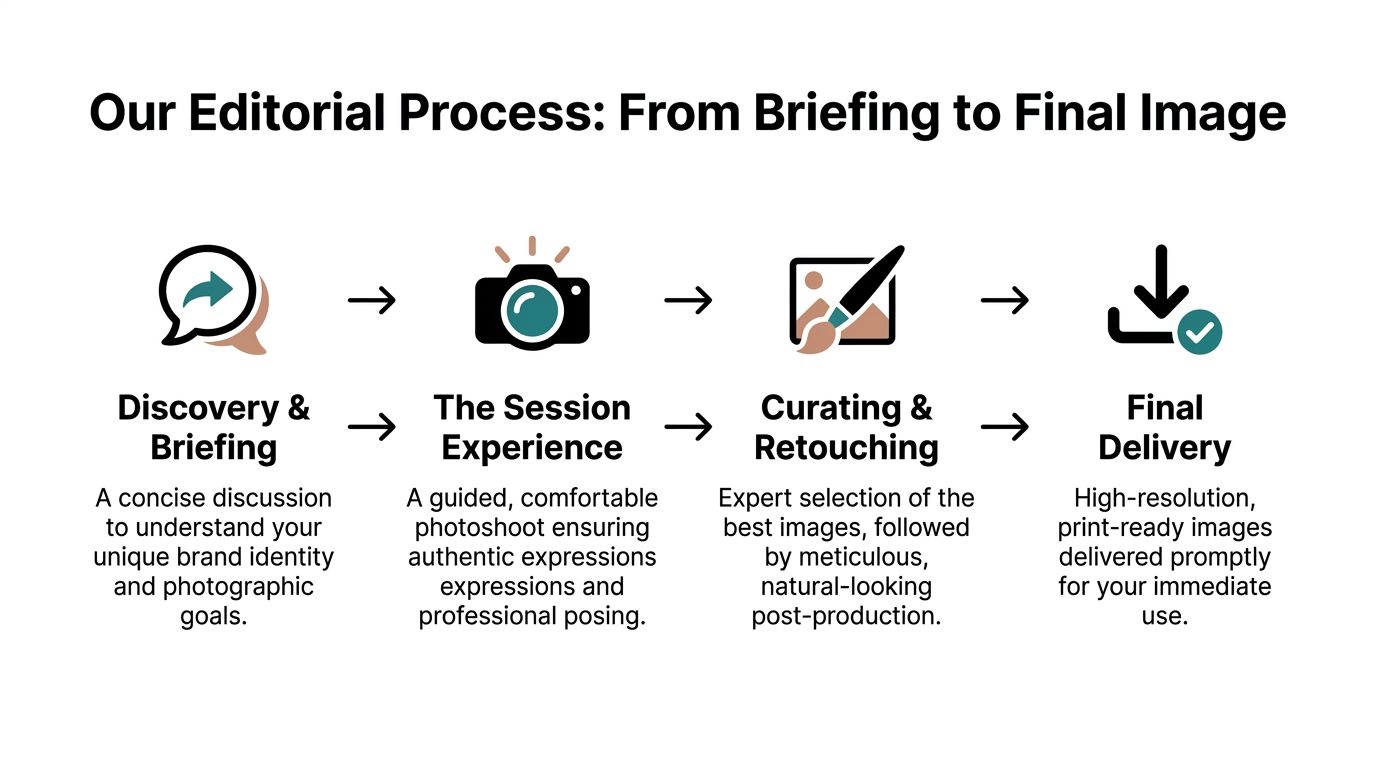
Our Editorial Process From Briefing to Final Image
The best headshot sessions do not start with a camera. They start with decisions. If the assignment is handled like a quick errand, the result usually looks like one.
The editorial process is built to remove guesswork. Each phase has a job. By the time the final image is delivered, the choices should feel inevitable.
Discovery and briefing
The first conversation is not about camera settings. It is about use.
A business portrait for an architecture principal needs a different tone than a headshot for a hospitality sales director. Before the session, the important questions are practical:
- Where will the images appear
- Who is the audience
- What existing brand materials need to match
- Does the company need one portrait or a visual system for a whole team
Here, editorial thinking begins. In publication work, a portrait has to serve the story. The same applies here. Without a brief, people drift toward generic poses and default lighting.
Lighting design and location choices
Light shapes credibility faster than most clients realize. Flat light can make a subject look disconnected from the frame. Overly dramatic light can make a corporate leader look like they belong on a movie poster instead of a board page.
For professional headshots atlanta companies often need one of two setups:
- Studio-style control, where background, exposure, and consistency matter most
- On-location environmental design, where the workplace adds context without becoming a distraction
On-location work requires more discipline than many expect. Windows, mixed color temperatures, reflective surfaces, and tight conference rooms all affect the result. The strongest sessions use those conditions intentionally rather than fighting them blindly.
Light should describe the face, support the brand, and stay out of its own way.
Direction on set and tethered review
Clients do not need help “looking good.” They need help looking like themselves on purpose.
That is why direction matters. The smallest adjustments often make the frame. A slight turn of the shoulders, a lowered chin, a more relaxed mouth, a cleaner eyeline. These are not dramatic moves. They are editorial refinements.
Tethered shooting is one of the most useful tools in this stage. When the camera is connected to a larger screen, photographer and client can review expression, posture, and lighting in real time. According to Steve Glass’s explanation of tethered workflow, that process can reduce post-production culling time by up to 50% and produce 20 to 30% higher client selection rates for hero shots in Atlanta studios.
That matters because the best frame is often not the obvious one. It is the one where everything aligns for a fraction of a second and the subject looks settled, clear, and believable.
Curation and editorial retouching
A strong session produces options. A professional edit narrows them.
Selection is part taste, part function. The chosen image has to work at thumbnail size on LinkedIn and at larger scale on a website or press page. An image can be flattering and still be wrong if it does not fit the use case.
Retouching should finish the portrait, not overwrite it.
That usually means:
- Cleaning distractions like temporary blemishes, stray hairs, or lint
- Balancing tone and color so skin looks natural and consistent
- Preserving texture so the subject still looks like a person, not a rendering
Heavy retouching almost always weakens a business portrait. It removes the very human detail that creates trust.
Final delivery
The final stage should feel organized, not mysterious. Teams need files they can use across websites, speaking bios, proposals, internal directories, and press materials.
A polished delivery is part of the service because the image is only useful once it is easy to deploy. Good photography solves a communication problem. It does not create a new logistics problem.
Atlanta Headshot Portfolio Stories We Have Told
A portfolio is most useful when it shows decisions, not just faces. The image matters, but the reason the image works matters more.
The architecture principal who needed context
One of the most effective portraits for an architect is not always made against a seamless background. Sometimes the better choice is the firm’s own space, especially when the interior reflects the discipline of the practice.
In that kind of session, glass lines, clean materials, and controlled daylight can reinforce the subject’s design sensibility. The background supports the message, but only if it stays quiet enough that the face remains the first read.
The leadership team that needed consistency
A leadership page often fails because each person was photographed at a different time, by a different photographer, with a different idea of “professional.”
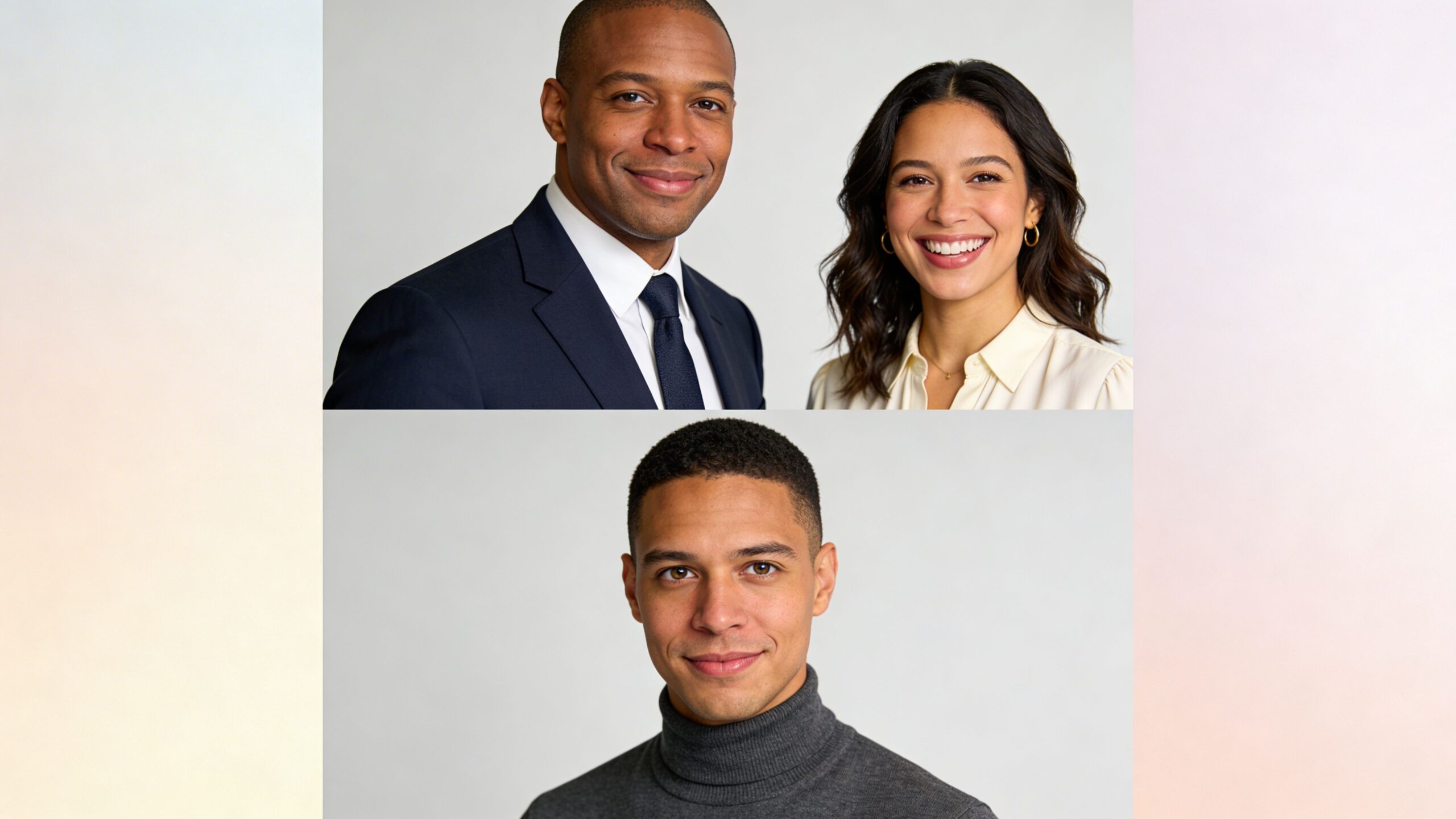
The solution is less glamorous than people expect. Consistency in lens choice, camera height, crop, light direction, and background tone does most of the work. Once those elements align, the team finally looks like one organization.
The brand lead who needed personality without losing polish
Some roles sit between corporate and creative. A brand lead, for example, needs polish but also benefits from a bit more character in the frame.
In those sessions, a lightly environmental setup often works well. You keep the composition disciplined, but let the setting breathe enough to suggest taste and authorship. The result feels less like ID photography and more like a portrait with intent.
The working gallery matters
A useful portfolio should show range without feeling scattered. It should prove that one visual language can adapt to different industries while staying coherent.
More examples of that approach live in the studio’s people and portrait portfolio, where the through line is not one backdrop or one pose, but a consistent editorial standard.
The strongest portfolio images do not all look the same. They all feel intentional.
Atlanta Headshot Packages and Investment
Pricing for headshots in Atlanta varies because the assignments vary. A single studio portrait for one person is not the same job as photographing an executive team on location, matching brand standards, and delivering files for multiple departments.
Market context helps set expectations. Atlanta’s professional headshot market ranges from around $195 for a basic studio session to over $600 for multi-look actor sessions, and corporate packages are often custom-quoted, as noted by Marietta Portraits’ overview of the Atlanta market. That spread reflects specialization, complexity, and how much planning the session requires.
What you are paying for
The fee is not only for shutter clicks. It covers judgment.
That includes briefing, location planning, lighting control, direction, file selection, retouching discipline, and delivery that works across business uses. Cheap sessions often look inexpensive in the exact ways that matter most: weak expression, poor consistency, rushed posing, or a final image that does not align with the brand.
A simple way to think about packages
| Package | Best For | What's Included | Investment Starts At |
|---|---|---|---|
| Executive Portrait | Individual professionals and leadership profiles | Pre-session brief, one focused session, guided posing, curated selection, editorial retouching, final delivery for web and print | Custom quoted |
| On-Location Team | Small to mid-sized teams needing consistency | On-site setup, consistent lighting and framing, individual headshots, file organization, retouched finals for team use | Custom quoted |
| Corporate Brand Day | Firms needing portraits plus broader visual content | Team headshots, environmental portraits, brand imagery, coordinated visual approach across multiple deliverables | Custom quoted |
Why custom quoting is often the right model
Corporate work is usually defined by constraints. Access windows, room conditions, staff schedules, and approval workflows all affect production. A fixed menu can be useful for a solo client, but larger brand assignments often need a more customized scope.
If your team also needs workplace imagery, environmental portraits, or broader visual content, it makes sense to review commercial brand photography services alongside headshots so the images work together instead of feeling assembled from separate shoots.
The right investment is the one that produces files your team can use confidently for a long time, not the one that gets the session booked fastest.
Preparing for Your Session A Professional's Checklist
Preparation changes the result more than many expect. It does not need to be elaborate, but it should be intentional.
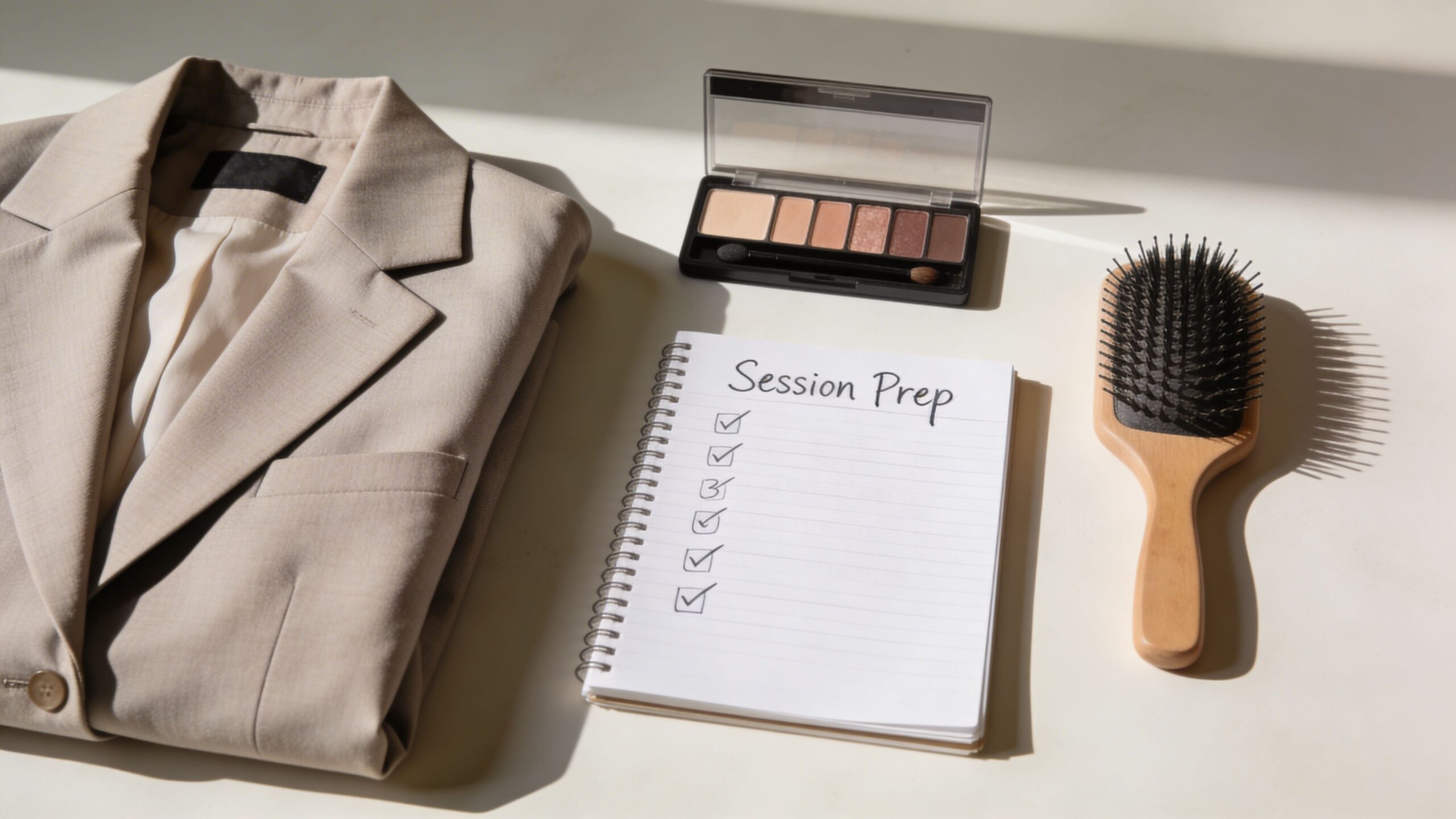
Wardrobe that keeps attention on the face
Clothing should support the portrait, not become the subject.
- Choose solids over busy patterns. Strong patterns pull the eye away from expression.
- Wear pieces that fit cleanly. Tailoring photographs better than trend.
- Match the brand tone. A design firm, law office, and hospitality group may all want different levels of formality.
Grooming that looks like you on your best day
The goal is not reinvention. It is polish.
Hair should be shaped the way you normally wear it, just slightly more refined for camera. Makeup, if used, should reduce distraction and even tone without becoming obvious. Glasses should be cleaned. Jackets should be pressed. Small details save retouching time later.
A location shoot brings its own considerations. If the session is happening in an office, lobby, or project space, this guide to preparing your project site for a professional photoshoot helps avoid background issues that can undercut an otherwise strong portrait.
Mindset and camera comfort
Many individuals are not naturally comfortable in front of a lens. That is normal.
A little preparation helps:
- Know the audience. Think about who will see the image and what they need to feel.
- Sleep and hydration help, but also arriving early and not rushed.
- Trust direction. Good headshots come from small refinements, not from trying to “perform” confidence.
This short video is a useful primer before a session:
Elevate Your Brand with an Editorial Headshot
A professional headshot is rarely just about appearance. It is about interpretation. The viewer looks at the image and decides, often very quickly, whether this person seems credible, clear, and worth contacting.
That is why the editorial approach matters. It treats the portrait as brand communication, not a box to check. The background, the light, the crop, the posture, and the expression all work together to create a useful business asset.
In a city as visually competitive as Atlanta, that level of care is not excessive. It is practical. The image on your website, proposal, LinkedIn profile, or press page is often doing introduction work before you ever enter the room.
The best professional headshots atlanta firms use are not flashy. They are specific. They feel aligned with the person and the business behind them. That alignment is what makes a portrait persuasive.
Frequently Asked Questions About Professional Headshots
How long does turnaround usually take
Turnaround depends on the size and complexity of the assignment. For team and event-based work, efficient workflows often allow delivery within 24 to 48 hours, especially when the business needs updated website or press materials quickly, according to Chase Anderson’s notes on corporate headshot production.
Can large teams be photographed on location
Yes. In many cases, on-location production is the most practical option because it reduces scheduling friction for the company. For corporate team headshots, photographers using scan-and-shoot systems with optimized lighting can efficiently handle many subjects per hour at events in Atlanta, which is especially helpful for conferences, all-hands meetings, and company offsites.
Do you offer hair and makeup support
Many business clients benefit from coordinated hair and makeup, especially for leadership sessions, media appearances, or brand days. Whether that support is necessary depends on the role, the intended use, and how polished the final visual system needs to be. For some teams, light touch grooming support is enough. For others, it is worth arranging full professional styling.
Should I choose studio or on-location headshots
That depends on the message. Studio setups offer maximum control and consistency. On-location portraits can add useful context when the workplace reflects the brand. The right choice is usually the one that best supports the company’s identity and how the images will be used.
If you want headshots that do more than fill a placeholder, Jimmy Clemmons Photographer brings an editorial eye to portraits for architecture firms, corporate teams, developers, designers, and brand leaders across Atlanta. Reach out to start a conversation about a session built around clarity, consistency, and brand story.